


5060 S. Fort Apache Road Suite 150,
Las Vegas NV 89148

Understanding Myopia: Why Nearsightedness Deserves Attention
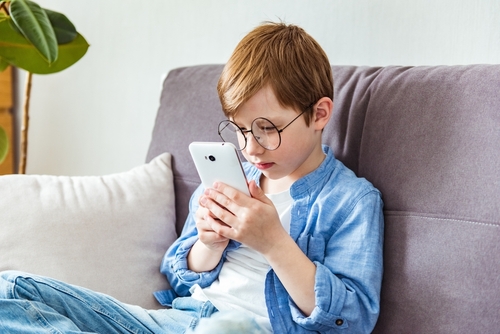
Myopia, commonly known as nearsightedness, is one of the most common vision conditions in both children and adults. It affects how the eye focuses light, making distant objects appear blurry while close-up vision remains clear. In recent years, eye doctors have seen a significant increase in the number of children developing myopia, making early detection and management more important than ever.
What Causes Myopia?
Myopia develops when the eye grows too long or the cornea (the clear front surface of the eye) is too curved. This causes light to focus in front of the retina instead of directly on it, resulting in blurred distance vision.
While genetics can play a strong role, lifestyle habits also have an impact. Children who spend less time outdoors and more time doing near work—such as reading or using digital devices—are more likely to develop myopia.
Why It Matters
Myopia doesn’t just make it harder to see the board at school or recognize faces across the room. As it progresses, it increases the risk of serious eye conditions later in life, including retinal detachment, glaucoma, and myopic maculopathy. That’s why controlling myopia early can make a lasting difference in lifelong vision health.
Myopia Management at Optic Gallery Fort Apache
At Optic Gallery Fort Apache, our doctors provide detailed eye exams to detect and monitor myopia. We offer a range of options to help slow its progression, including specialized contact lenses, prescription lenses, and personalized care plans based on each patient’s age and lifestyle.
One of the most advanced tools we offer is the Stellest lens by Essilor. Designed specifically for children with progressive myopia, Stellest lenses use innovative technology to reduce strain on the eye and slow the progression of nearsightedness. With Stellest lenses, children can enjoy clear vision while helping protect their eyes for the future.
Prevention Tips to Protect Your Child’s Vision
While genetics play a role, there are simple steps families can take to reduce the risk or slow the progression of myopia:
Increase outdoor time: Spending at least 1–2 hours outside daily can help support healthy eye development.
Limit prolonged near work: Encourage breaks during reading, homework, or screen time. Follow the 20-20-20 rule—every 20 minutes, look at something 20 feet away for 20 seconds.
Proper lighting: Make sure children have adequate lighting when reading or using devices to reduce eye strain.
Regular eye exams: Annual comprehensive eye exams are essential to detect changes early and adjust treatment as needed.
The Importance of Regular Eye Exams
Children should have comprehensive eye exams before starting school and every year thereafter. Myopia can develop quickly, especially during growth spurts, so consistent monitoring is key. Our team takes the time to explain results, answer questions, and ensure families feel confident in their child’s eye health plan.
If your child has been squinting, sitting too close to screens, or complaining about blurry distance vision, it may be time for a myopia evaluation. Schedule an appointment with Optic Gallery Fort Apache to take the first step toward better vision for life.
© 2023 Optic Gallery Fort Apache - All Rights Reserved - Privacy Policy - Accessibility Statement - Sitemap
Powered by:
