
5060 S. Fort Apache Road Suite 150,
Las Vegas NV 89148

Blog list
Optic Gallery Fort Apache Blog
Learn more about optometrist care in our blog!
Contact lenses can provide clear, convenient vision, but standard soft lenses are not the right solution for every eye. Certain corneal conditions, chronic dry eye, previous eye injuries, or difficulty achieving a comfortable fit can make conventional contacts frustrating to wear.
Diabetes can affect more than blood sugar. Over time, it can also impact the small blood vessels in the eyes, increasing the risk of diabetic eye disease and vision loss. Because these changes can develop quietly, a diabetic eye exam is an important part of protecting long-term eye health. For patients in Las Vegas, scheduling regular diabetic eye exams can help detect concerns early and support clearer, healthier vision over time.

Spending hours on computers, smartphones, and tablets can put significant strain on your eyes. This condition, known as computer vision syndrome (CVS) or digital eye strain, is increasingly common among people who rely on screens for work and daily life. At Optic Gallery Fort Apache, we help patients find relief from symptoms like eye fatigue, blurred vision, headaches, and dry eyes caused by prolonged screen use. Treatment typically involves a combination of customized eyewear, eye care strategies, and adjustments to daily screen habits.
As the years gather quietly on the edges of our vision, many people begin noticing subtle shifts in how clearly the world comes into focus. For most adults, changes after age 40 are completely normal. Still, not every change should be brushed aside. At Optic Gallery Fort Apache, we help patients understand these shifts and stay ahead of potential concerns through comprehensive eye exams in Las Vegas designed to track, diagnose, and support healthy vision at every stage of life.

If you have noticed blurry near vision, difficulty reading small print, or struggle with close up tasks as you age you might be interested in VIZZ. VIZZ is the first eye drop of its kind approved by the U.S. Food and Drug Administration for age-related blurry near vision (presbyopia). It offers a fresh alternative to traditional reading glasses, bifocals, or multifocal contact lenses.

Myopia, commonly known as nearsightedness, is one of the most common vision conditions in both children and adults. It affects how the eye focuses light, making distant objects appear blurry while close-up vision remains clear. In recent years, eye doctors have seen a significant increase in the number of children developing myopia, making early detection and management more important than ever.
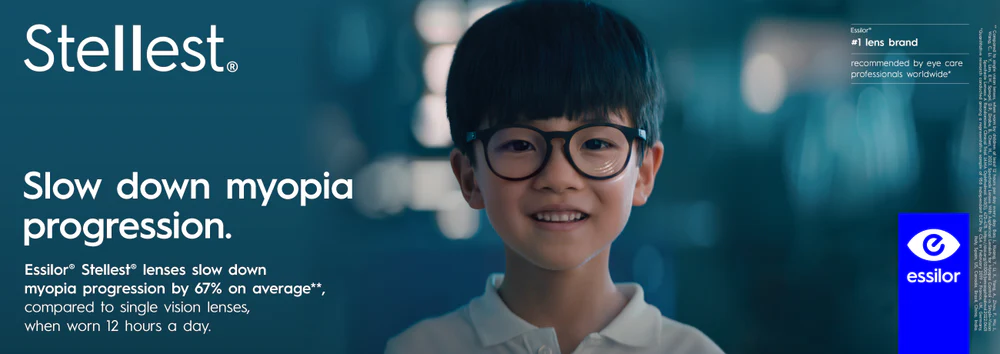
If your child’s glasses prescription keeps increasing year after year, you’re not alone. Myopia, also known as nearsightedness, is becoming more common among children and can affect how well they see the world around them. The Essilor Stellest lens is a new, scientifically developed lens designed to do more than just correct blurry vision—it also helps slow down the progression of myopia as your child grows.

The end of the year is a great time for families to focus on their health, and that includes eye care. At Optic Gallery Fort Apache, we know how busy family schedules can be, especially during the holidays.
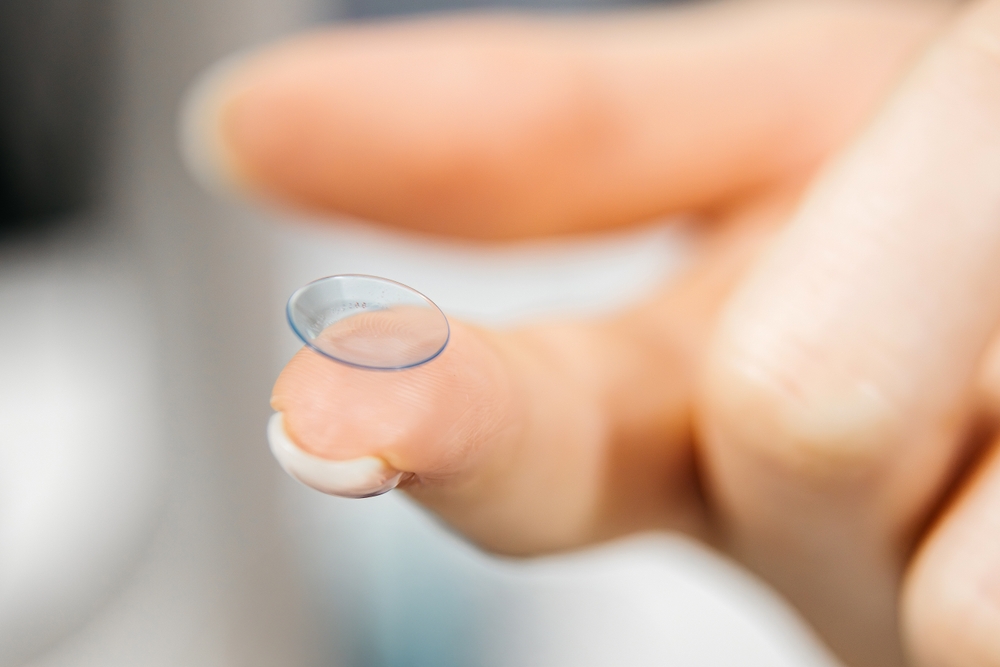
Wearing contact lenses can give you freedom from glasses, but with that freedom comes responsibility. Proper lens care is one of the most important parts of keeping your eyes healthy.
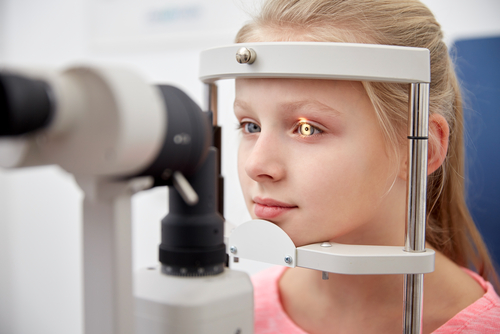
As school season begins, clear vision becomes as essential as pencils and backpacks. A comprehensive in‑office eye exam provides critical insights into your child’s visual development—and supports academic
© 2023 Optic Gallery Fort Apache - All Rights Reserved - Privacy Policy - Accessibility Statement - Sitemap
Powered by:
